
Crowd engagement techniques for nightclub DJs are the deliberate methods a performer uses to keep dancers on the floor, build emotional peaks, and make a night feel unforgettable rather than forgettable. The industry term for this practice is energy management, which covers tempo control, track sequencing, and real-time audience reading. The best DJs treat a set like a story, with tension, release, and well-timed surprises that reset attention every 30–45 minutes. Reading the crowd and pacing the energy arc are the two core skills that separate a DJ who fills a floor from one who empties it.
1. What are the most effective crowd engagement techniques nightclub DJs can use?
The foundation of any strong nightclub set is a combination of pacing, surprise, and real-time observation. These three pillars work together to create the feeling that the night is alive and moving.
- Strategic BPM pacing. Gradually increasing tempo by 5–10% per transition builds natural energy without shocking the crowd. Abrupt jumps in tempo break the emotional thread that keeps people dancing.
- Timed high-impact moments. Plan one surprise or peak moment every 30–45 minutes. This could be a massive drop, a surprise guest, or a throwback anthem that resets crowd attention.
- Real-time crowd reading. Watch dancefloor density, body language, and facial expressions continuously. A thinning floor or stiff body language signals the need for a track change before energy fully collapses.
- Nostalgia and themed micro-sets. Dropping a three-song nostalgic run creates a shared emotional moment. Crowds bond over recognition, and that bond translates directly into movement and excitement.
- Synchronized visuals and lighting. Lighting synced to drops creates clip-worthy moments that extend the energy beyond the room and onto social media.
- Interactive participation tools. Crowd polls, singalong moments, and song request apps raise active participation. When the audience feels heard, their investment in the night deepens.
Pro Tip: Plan your surprise moments before the night starts. Write them on a setlist card and treat them as non-negotiable anchors, even if the tracks around them change.
2. How to structure your set for maximum dynamic energy
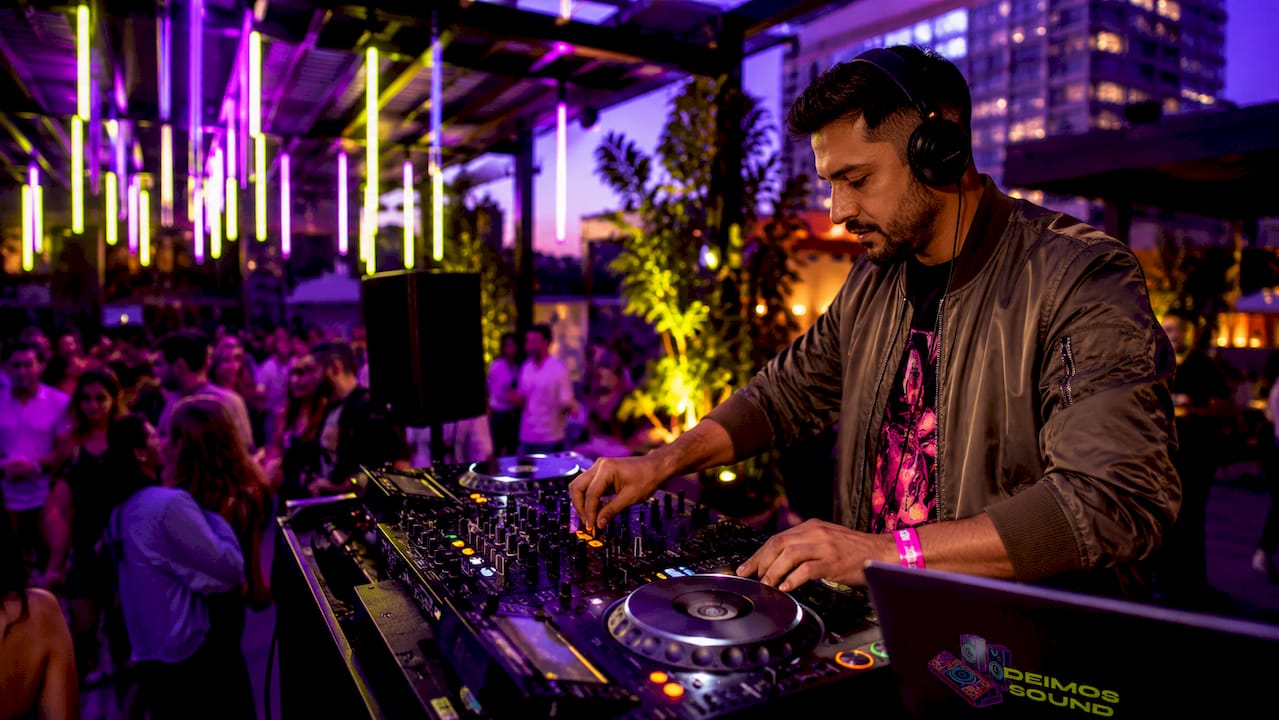
A well-built set follows an emotional arc, much like a film. The crowd needs time to warm up, a gradual climb toward peak energy, and a deliberate wind-down that feels satisfying rather than abrupt.
The four-phase energy arc
- Warm-up phase. Open with familiar, mid-tempo tracks that invite people onto the floor without demanding full commitment. This phase builds comfort and trust with the audience.
- Build-up phase. Introduce more energy, layer in harder beats, and begin raising the BPM. This is where DJ set curation becomes critical, because each track must feel like a logical step forward.
- Peak phase. Deploy your highest-energy tracks and planned surprise moments here. The crowd is primed, the floor is full, and the emotional payoff lands hardest.
- Wind-down phase. Experts recommend 10–15 minutes for a gradual close. Dropping energy too fast feels like a power cut. A smooth descent leaves the crowd satisfied and wanting more.
The 10-second rule
The 10-second rule is a practical test every DJ should apply to every track change. If a new track produces no visible audience response, such as nodding, movement, or a shift in body posture, within 10 seconds, transition smoothly to the next option. Waiting longer risks losing the floor entirely. This rule forces DJs to stay present and responsive rather than locked into a predetermined sequence.
Backup tracks as a safety net
Maintaining a library of 3–5 reliable reset tracks gives you the confidence to take creative risks. Knowing you can recover quickly from an energy dip means you can push boundaries without fear. Think of backup tracks as the backbone of a confident, adaptive performance.
Pro Tip: Classify every track in your library by function: builder, peak, or reset. When you need a quick energy shift, you'll know exactly where to reach.
3. What role do technology and visuals play in nightclub DJ engagement?
Technology amplifies every technique a DJ already uses. The right tools extend engagement beyond pure audio and create a multisensory experience that holds attention longer.
- Synchronized lighting. Visuals synced to music increase social sharing and deepen the atmosphere. A strobe or color wash timed to a drop makes the moment feel physically larger. Deimos Sound builds this synchronization into every event setup, pairing audio peaks with precise lighting cues.
- Smart playlists and energy tagging. Modern DJ software allows you to tag tracks by energy level and mood. This makes real-time adaptation faster because you can filter by function rather than scrolling through hundreds of songs mid-set.
- Interactive request apps. Crowd song request platforms give the audience a voice without handing over creative control. You curate the options; they choose from within your framework. That balance keeps the set coherent while making the crowd feel involved.
- AI-assisted track selection. AI analytics tools can analyze crowd demographics and suggest tracks with high engagement probability for that specific audience. This is particularly useful for event organizers booking DJs for unfamiliar markets.
- Hybrid event audio balance. For events with both a live floor and a broadcast stream, balancing the front-of-house mix with a broadcast-optimized mix requires separate processing chains. Getting this wrong means the energy that hits the room does not translate to the stream, and remote viewers disengage.
Knowing how to sync lighting and sound is no longer optional for professional nightclub events. Audiences in 2026 expect a visual experience that matches the audio intensity.
4. Practical tips for reading and adapting to nightclub crowds
Reading a crowd is a skill built through observation, not intuition alone. The signals are always there. The job is learning to see them fast enough to act.
- Watch dancefloor density. A full floor is the clearest sign of engagement. When density drops by roughly a third, the energy is slipping. Do not wait for the floor to empty before reacting.
- Read body language. Stiff posture, crossed arms, and people facing away from the DJ booth are warning signs. Loose movement, raised arms, and eye contact with the booth signal strong connection.
- Time changes to crowd movement. Transition zones between the bar and the dancefloor reveal timing opportunities. Allow 30–60 seconds for a fresh wave of dancers to arrive on the floor before switching tracks. Changing too early kills the anticipation that was building.
- Use bridges and subtle transitions. Abrupt genre shifts break the emotional thread. A well-placed instrumental bridge or a shared key transition smooths the move between styles and keeps the crowd from feeling disoriented.
- Honor requests without losing control. Audience requests are data, not commands. If a request fits the current energy arc, use it. If it does not, file it for later. A DJ who chases every request loses the narrative thread that makes a set feel intentional.
Experienced DJs prioritize transition zones because premature track changes are one of the most common ways a set loses momentum. The crowd was building toward something, and the change arrived before they arrived with it.
Key takeaways
The most effective approach to nightclub crowd engagement combines energy arc design, timed surprise moments, and real-time crowd reading to sustain dancefloor participation throughout the night.
| Point | Details |
|---|---|
| Plan surprise moments | Schedule one high-impact moment every 30–45 minutes to reset crowd attention. |
| Use the four-phase arc | Build sets through warm-up, build-up, peak, and wind-down for a satisfying emotional journey. |
| Apply the 10-second rule | If a track gets no response within 10 seconds, transition immediately to maintain momentum. |
| Sync visuals to audio | Lighting cues timed to drops deepen atmosphere and increase social sharing. |
| Keep backup tracks ready | A library of 3–5 reset tracks lets you recover from energy dips and take creative risks confidently. |
What I've learned about crowd engagement that most articles get wrong
The conversation around DJ performance engagement almost always focuses on track selection. Pick the right songs and the crowd will follow. That framing is incomplete, and in my experience, it leads DJs to overprepare their playlists and underprepare their instincts.
The real skill is energy management, which means understanding that tempo, density, tension, and familiarity all interact. A track that works perfectly at 11:30 PM can clear the floor at 10:00 PM because the crowd is not ready for it yet. The song did not fail. The timing did.
What separates the DJs who consistently pack floors from those who struggle is their willingness to treat a set like a narrative. Successful DJs design arcs of tension and release rather than stringing together their favorite tracks. The lows matter as much as the peaks. A crowd that never gets a moment to breathe will burn out before the night hits its stride.
The other thing most guides skip is the psychological value of backup tracks. Knowing you have reliable resets ready changes how you perform. You take bigger swings. You try the unexpected track because you know you can recover. That confidence reads to the crowd as authority, and authority is magnetic on a dancefloor.
Approach crowd engagement as an evolving, intuitive skill rather than a checklist. The checklist gets you started. The intuition gets you remembered.
— Otterpop
Deimos Sound and the art of nightclub atmosphere
Building a night that people talk about the next morning takes more than good music. It takes audio that hits every corner of the room, lighting that responds to the energy, and a DJ who knows how to read and lead a crowd. That combination is exactly what Deimos Sound delivers.
Deimos Sound specializes in high-energy DJ sound and lighting services, with every setup tailored to the specific venue and audience. Whether you are organizing a nightclub residency, a private event, or a corporate party, Deimos Sound pairs expert music selection with visual effects that make every drop land harder. Rates start at $75 per hour, making professional-grade crowd engagement accessible for events of any scale. If you want a night that feels intentional from the first track to the last, Deimos Sound is the right call.
FAQ
What is the best interval for high-impact moments in a DJ set?
Industry standards recommend one planned surprise or high-impact moment every 30–45 minutes. This interval resets crowd attention and sustains engagement across a full night.
How does the 10-second rule work for nightclub DJs?
If a new track produces no visible audience response within 10 seconds of dropping, the DJ should transition smoothly to the next track. Waiting longer risks losing floor momentum entirely.
Why do synchronized visuals matter for crowd engagement?
Lighting and visuals timed to music drops create a multisensory experience that deepens atmosphere and increases the likelihood of social sharing. That extended reach amplifies the energy beyond the room itself.
How many backup tracks should a nightclub DJ prepare?
Maintaining a set of 3–5 reliable high-energy reset tracks gives DJs the confidence to take creative risks and recover quickly from unexpected energy dips during a live set.
What is the most common mistake DJs make when reading a crowd?
Changing tracks too early in a transition zone is one of the most frequent errors. Allowing 30–60 seconds for a fresh wave of dancers to reach the floor before switching prevents killing the anticipation that was already building.